How To: Create Wildlife Habitat at Home for Free
Before you go too crazy spending money and making plans for your garden this year, I wanted to let you in on a secret:
You don’t actually have to plant a single thing to create wildlife habitat in your yard.
It’s true! There are at least 5 ways to restore your local ecosystem that won’t cost you a penny.
Passive restoration strategies can help you make a meaningful impact with zero shopping and zero planting.
It definitely takes work to create wildlife habitat, but it doesn’t have to cost you your whole tax return and your sanity. Read on to learn how to apply passive restoration to your yard this season.
Table of Contents
Habitat Loss Isn’t Just About Missing Plants
While the absence of trees and native plants in your neighborhood might represent an obvious and significant challenge for your local wildlife, there are many other human interventions – from the well-intentioned to the downright misguided – that disrupt habitats.
For example: mowing, tidying, noise, lighting, and “helpful” interventions can disturb the ecosystem in unanticipated ways that have far-reaching consequences. Yikes.
As human property owners, we have a right to enjoy our yard as a place of refuge and recreation. But we also have a responsibility to be good stewards of our land, and the work to create wildlife habitat is part of that responsibility.
As Nancy Lawson says in her book, Wildscape, “You’ll see that your yard and your community green spaces are not really yours at all, but the gathering place of countless sovereign nations, a refuge for the increasingly displaced.”
She goes on to say, “One of the many tragedies of the modern era is that the spaces where we live and work and play have been shoehorned into conformity, designed to be uniform and boring and flat for the sake of convenience and profit.” Double yikes.
As landscape variety diminishes, so does the variety of living things that can thrive in the landscape.
Passive restoration is a way to undo harm and add variety back into our neighborhoods. This humble list of ways to create wildlife habitat represent the small acts of refusal that wildlife needs us to make on its collective behalf.
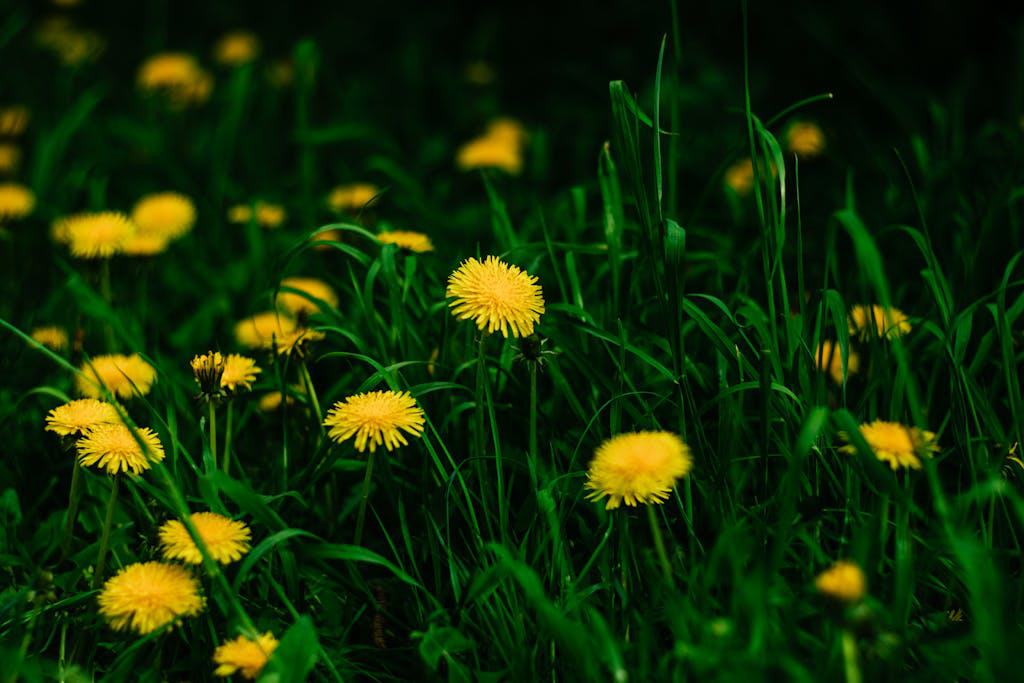
1. Create a No-Mow (or Low-Mow) Zone
Stop mowing your lawn. The end.
Just kidding! While this passive restoration strategy is simple, it does require some planning and maintenance so that you don’t have drama with your neighbors or your township code enforcement.
You can learn more about how to create and maintain a no-mow zone here (coming soon), but in a nutshell:
- Don’t make your whole lawn a no-mow zone – pick a small area that is recessed from the sidewalk so that overgrowth doesn’t spill onto walkways and create a hazard.
- Mow the grass around your no-mow zone to create a border. Giving the zone defined edges helps assure neighbors that this is a deliberate act of land stewardship, instead of a descent into chaos.
- Welcome questions and skepticism with curiosity, and use encounters with neighbors as an opportunity to educate and inspire.
How does a no-mow zone create wildlife habitat?
When you skip the mower in your yard, a cascade of seen and unseen benefits is unleashed. A no-mow zone:
- Cools the soil surface, which protects soil microbes.
- Provides a living layer of green much, which suppresses weeds, retains moisture, and reduces erosion.
- Offers habitat and hiding spaces for small animals and insects, and they provide a food source for animals higher up the food chain.
- Allows flowers (like clover*) to grow and feed pollinators.
(*Even though the white clover in my lawn isn’t native, it’s the most prevalent flower on my street and the bees enjoy it. Without it, I’m not sure where else the bees would look for nectar and pollen, so its appearance in my no-mow zone is welcome until I can get a diverse native garden established. In the meantime, something is better than nothing!)
The no-mow zone doesn’t just benefit wildlife. It can benefit you, too.
You’ll save money on oil, fuel, and mower maintenance, and gain more free time, since you’re spending less time marching back and forth across your property each week. Plus, you’ll be putting fewer carbon emissions into the atmosphere. And for that I thank you!
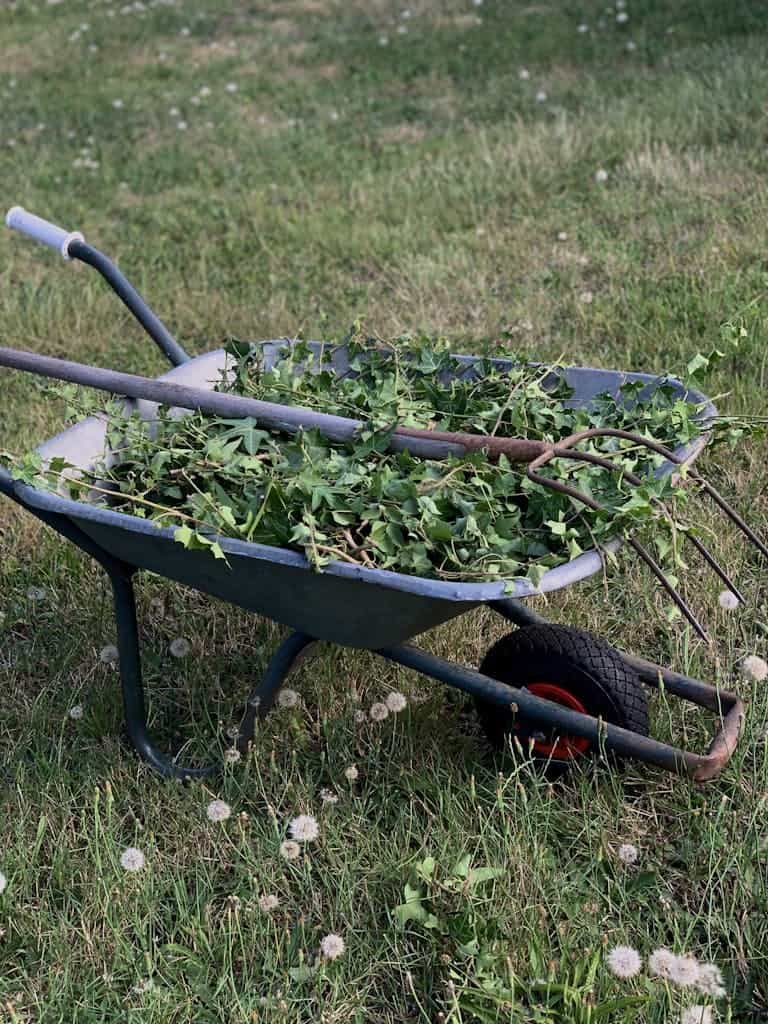
2. Leave the Leaves, Sticks, and Brush
Leave the Leaves
Just like a lawn grows back and compels you to keep mowing it, leaves compel you to keep raking them. It’s a job that never seems totally done. As soon as you put the rake away, a breeze swirls through your yard and shakes more leaves off the trees.
It seems a little silly, in the grand scheme of things. All that wasted effort, and for what? Random aesthetic preferences?
The practice of raking and carting off leaves each fall disrupts critical habitat infrastructure. Alternatively, it’s free, low-effort, and super beneficial to leave the leaves where they have fallen instead, without even mulching them.
Fallen leaves:
- Protect overwintering insects (like fireflies!) and mammals (like bats!) from winter’s cold.
- Provide soft landings for birds and mammals that scamper around, and sometimes fall from, the tree canopy.
- Insulate the soil, keeping it cool in summer and warm through winter to protect plant roots and microbes.
- Cycle nutrients back into the soil as leaves decay and enhance your yard’s fertility.
In Wildscape, Nancy Lawson zeroes in on fallen leaves as she explores her backyard “soundscape.” She explains that the sound of rustling leaves enables the hunting of owls and signifies the foraging of squirrels and birds.
She says, “To get to the point of rustling on the ground, though, a leaf must be allowed to fall, turn brown, and wither away on its own time, without being raked or shredded or blown away – the landscaping version of invasive cosmetic surgery.”
To create wildlife habitat in your yard, skip the “invasive cosmetic surgery” and instead leave the leaves.
Build or Keep Brush Piles
Picking up every fallen twig and branch in your yard provides tangible, immediate gratification: where tree debris had previously been scattered about, the yard now looks tidy. And I wouldn’t ever want to rob you of that satisfaction.
But I do want to offer a friendly amendment.
Usually, your routine might be to pile the brush at the curb so that your township’s waste management professionals can cart it away to the dump. (Or perhaps you are accustomed to burning your brush.)
What if, instead, you built a brush pile (or a few!) in an out-of-the-way part of your yard to create wildlife habitat?
Here’s how:
Pick up the tree debris and neaten up the yard, but skip the trip to the curb. Stack the sticks and branches at the back of your yard (away from your home’s foundation, the garage, or any sheds) and let it sit there as it decomposes, slowly, over time. If it looks like a gray-brown heap of leaves, logs and branches, then you have done it right!
Your backyard brush pile will become a shelter for small animals in a suburban landscape that lacks a lot of options. The brush pile will become a cafeteria for them, too, as insects who eat decaying-wood hang out in the brush pile and in turn become a food source for birds and mammals.
A clean and neat yard is appealing to the human gaze, but it’s a sterile wasteland to wildlife. As Nancy Lawson puts it, “Instead of blending into the barrenscape next door, why not try blending into nature, turning the trees and their leaves and the colorful cast of wild characters they shelter into sparkling centerpieces of the neighborhood?”
If you want to add more “sparkling centerpieces” to your neighborhood then a native garden might be a great way to add beauty.
I created The Sanity Garden Get Started Guide to help busy families move forward without overthinking — one small, doable step at a time.
👉 Download the free starter plan and start where you are.
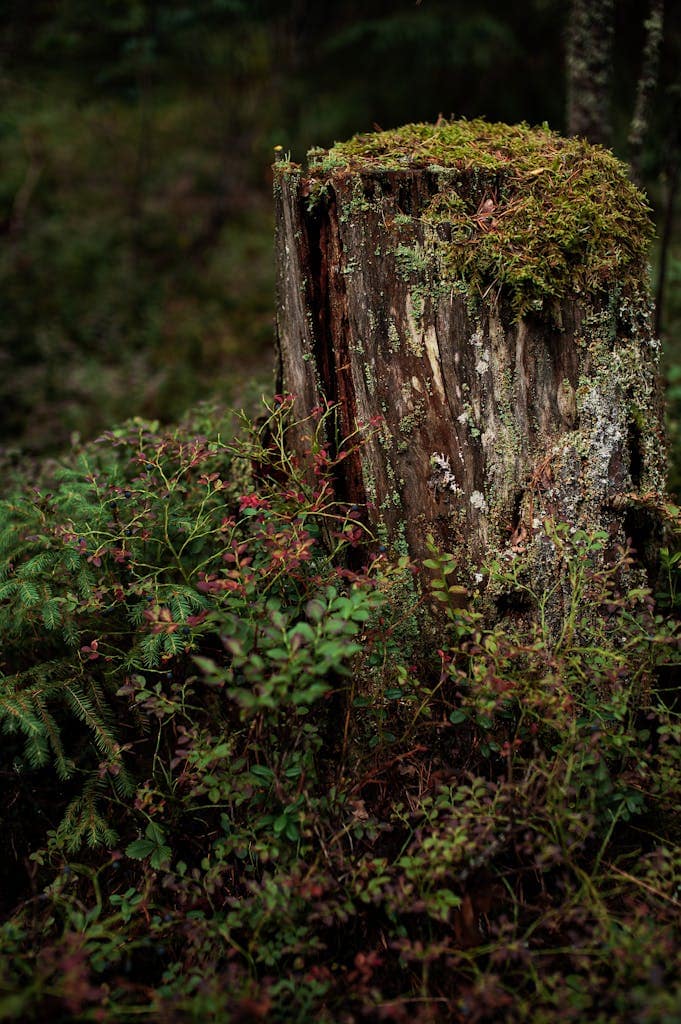
3. Keep Stumps, Snags, and Fallen Logs
One summer a few years ago, a neighbor of mine cut down a healthy, middle-aged sycamore tree and I’ve low-key never forgiven them for it. (If you’re curious about that story, I shared it in a newsletter, which you can view here.)
If I could go back in time, I would ask my neighbor what I’m about to ask you. They might not have listened and the end result might have been the same, but at least I would have felt like I advocated for my neighborhood’s behalf. Since I missed that chance, I won’t miss this one.
So this is what I am asking you: Please keep stumps, snags, and fallen logs in your yard.
Snags are dead or dying trees that provide essential ecosystem functions as habitat, perches, and foraging sites. “Old, dying trees, lovingly termed ‘mother trees’ by [Suzanne] Simard, can pass nutrients through underground mycorrhizal fungi to surrounding trees throughout the forest, leaving a priceless legacy for the next generations. Their slow breakdown also enriches the soil, creating fertile ground for new arrivals,” says Lawson in Wildscape. Fallen logs are perfect additions to your brush piles, where they serve similar vital functions. Stumps are home to fungi and cavity-nesting bees, and offer foraging for woodpeckers.
When stumps, snags, and fallen logs are turned into wood chips and carted away from someone’s yard, it just adds insult to injury. Those pieces of wood are vital parts of the food web, and they provide habitat for chipmunks, bees, woodpeckers, and kestrels.
Sometimes it’s necessary to remove a tree to protect people and buildings around it – a skilled arborist can make that assessment. But it’s not necessary to remove the stump or large logs, and, like Nancy Lawson did in her yard, you can leave about 20 feet of tree trunk and pruned branches as a safe “wildlife snag” to provide food resources and habitat for generations of creatures in your yard.
When you create wildlife habitat, it’s helpful to think of stumps, snags and logs as infrastructure, not eyesores.
4. Limit Odor, and Noise Pollution
As humans, we predominantly rely on visual and auditory cues to navigate our lives, which skews our perception of “how different organisms perceive the world through their noses and antennae and tongues and feet…” (Lawson, 2023, p. 24). It’s easy for us to overlook the sensory world that other creatures are living in, a world where they use scent to find food, darkness to practice mating rituals, and calls to ward off predators.
Odor Pollution
Car exhaust, industrial pollution, and products like paint and cleaners all emit harsh chemicals that alter scent plumes in the air. According to Lawson, “Environmental pollutants like ozone are another problem, pulling floral odors out of the air and dramatically shortening the distances the plumes can travel.” It makes it hard for wildlife that rely on scent to thrive when they can’t find dinner, mates, and habitat.
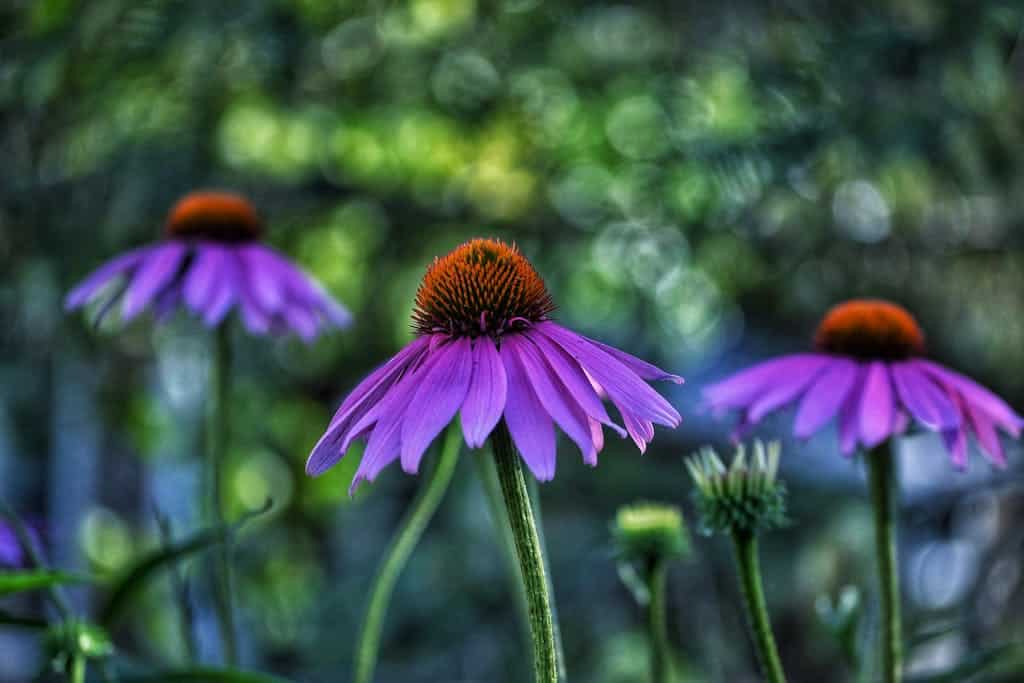
(While not technically free, and so outside of the scope of this post, here’s how you can combat the effects of odor pollution: plant dense clumps of fragrant, tall native flower species, like purple coneflower, that will be easier for a pollinator’s nose and eyes to identify for successful foraging.)
Noise Pollution
Humans are noisy. Airplanes, cars, lawn mowers, leaf blowers, and stump grinders are some of the modern nuisances that contribute to the unnatural background noise that we strain our ears against daily. It’s so commonplace that we almost don’t even notice it. For wildlife that uses vocal cues to hunt and socialize, it makes life harder than it needs to be, forcing them to vocalize more loudly to be heard above the din.
According to Nancy Lawson in Wildscape, “In field studies and experimental work, researchers have found that chronic noise can result in reduced egg hatching in bluebirds and tree swallows, decreased foraging efficiency of owls and bats, lower presence of insects and spiders, and delayed response to frog mating calls.” So not only is overdevelopment and “monolawn” culture erasing habitat, but the noise that fills the void makes any existing habitat less hospitable. To create wildlife habitat that endures, we can try to limit the amount of noise we contribute to the environment.
5. Why Doing Less Can Be More Supportive
Skip Backyard Bird Feeders
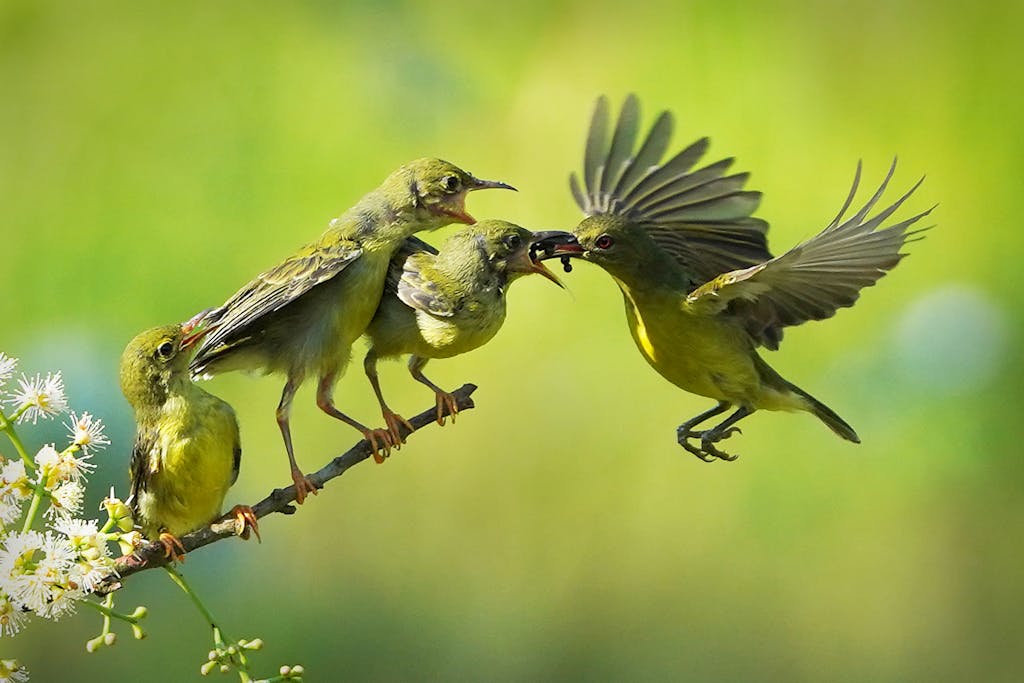
Anyone who hangs a bird feeder does it with the best of intentions – that’s a given. But there can be unforeseen consequences, ranging from effects on a plants’ abilities to reproduce and spread, disruption to natural pollination systems, and health issues for the birds that come to rely on feeders.
“Artificial feeding can have untold impacts on animals and plants alike. Disease transmission is the one that’s become most painfully obvious, as an increasing number of outbreaks are reported among different species across North America. Unnaturally high numbers of birds at seed and nectar feeders can turn them into breeding grounds for pathogens…” says Nancy Lawson.
At the time I’m writing this, there is a newsletter from NJ DEP Fish & Wildlife at the top of my email inbox stating that, “An active outbreak of Highly Pathogenic Avian Influenza (HPAI) throughout the State of New Jersey is being monitored by NJDEP Fish & Wildlife and federal partners.” If an easy way to stem the tide of HPAI cases among birds is to stop using a bird feeder, then that is a no-brainer.
Just like in the human community, natural food sources are a healthier option for wildlife than a “fast food” option like a bird feeder, and Lawson states that, “Too much focus on feeders at the expense of native plants presents another problem for birds: native plants draw a whole community of insects and spiders that most birds, including hummingbirds, need for protein and for raising their young.”
Save your money and skip the bird seed. (And maybe buy some native plant plugs instead!)
Don’t Keep Honeybees
Did you know that honeybees aren’t native to the US? (I didn’t know that until recently!)
Unfortunately, I also learned that honeybees are disruptive to our local ecosystems. Nancy Lawson states that, “the increasing presence of these domesticated insects in residential communities threatens the wild bees who remain.” She also shares that, “Studies have shown that honeybees often displace foraging native bees, who may visit fewer flowers than they normally would, gather less pollen, and experience lower reproductive success.”
She offers this solution for helping pollinators: “stop mowing everything down, let the flowers grow again, and nurture the bees who already live in your community.” Simple enough!
Don’t Use Pesticides
Don’t use pesticides or mosquito spraying services. According to Lawson, “Industry claims of targeted spraying aren’t based in reality; droplets of poison spread far and wide. Over the past several years, mass die-offs of monarch butterflies immediately after mosquito spraying have been reported in at least two US states, Maryland and Nebraska. No insects are safe from insecticide diffusing through the air or coating the leaves they land on and eat.” Create wildlife habitat that attracts predators of pests and mosquitoes and let them take care of it for you, naturally.
Commit to Create Wildlife Habitat
The cultural expectation of “a fake aesthetic – a collective conformity manufactured in the minds of corporate lawn and pesticide marketers” is something that most of us are indoctrinated into, and we aren’t taught to question it (Lawson, 2023, p. 232.)
Hopefully, though, learning more about the ways in which a diverse, lightly managed landscape serves thriving ecological function can help you and your community to live a little more wildly and create wildlife habitat.
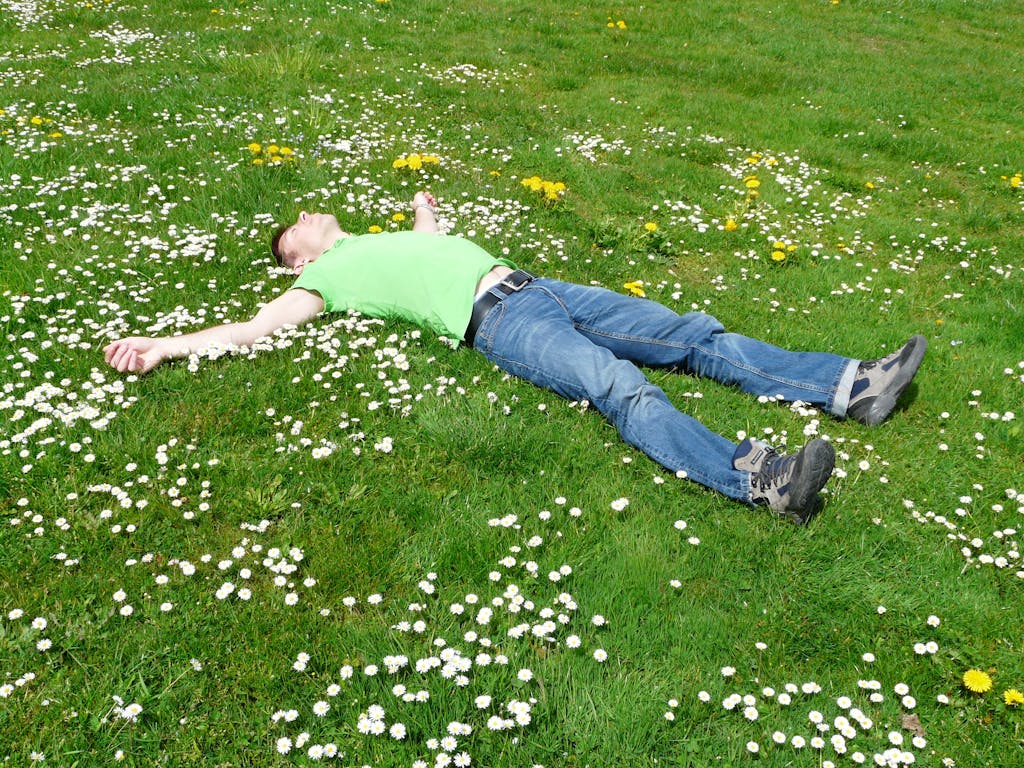
Even if you choose just one passive restoration strategy in your yard, it counts. Every incremental effort to create wildlife habitat adds up to give a much-needed boost to our wild neighbors.
Big impact can come from inexpensive, small-scale actions by everyday humans like you and me, so go ahead and pick one manageable action to take.
And if you’re looking to take habitat creation to the next level, consider planting a native garden.
I created The Sanity Garden Get Started Guide to help busy, overwhelmed homeowners move forward without overthinking – one small, doable step at a time. 🌱
👉 DOWNLOAD THE FREE STARTER PLAN and start where you are.
Cheers to restoring local ecosystems,
Kristen
PS – save your favorite pin below to your native garden inspo board! 📌