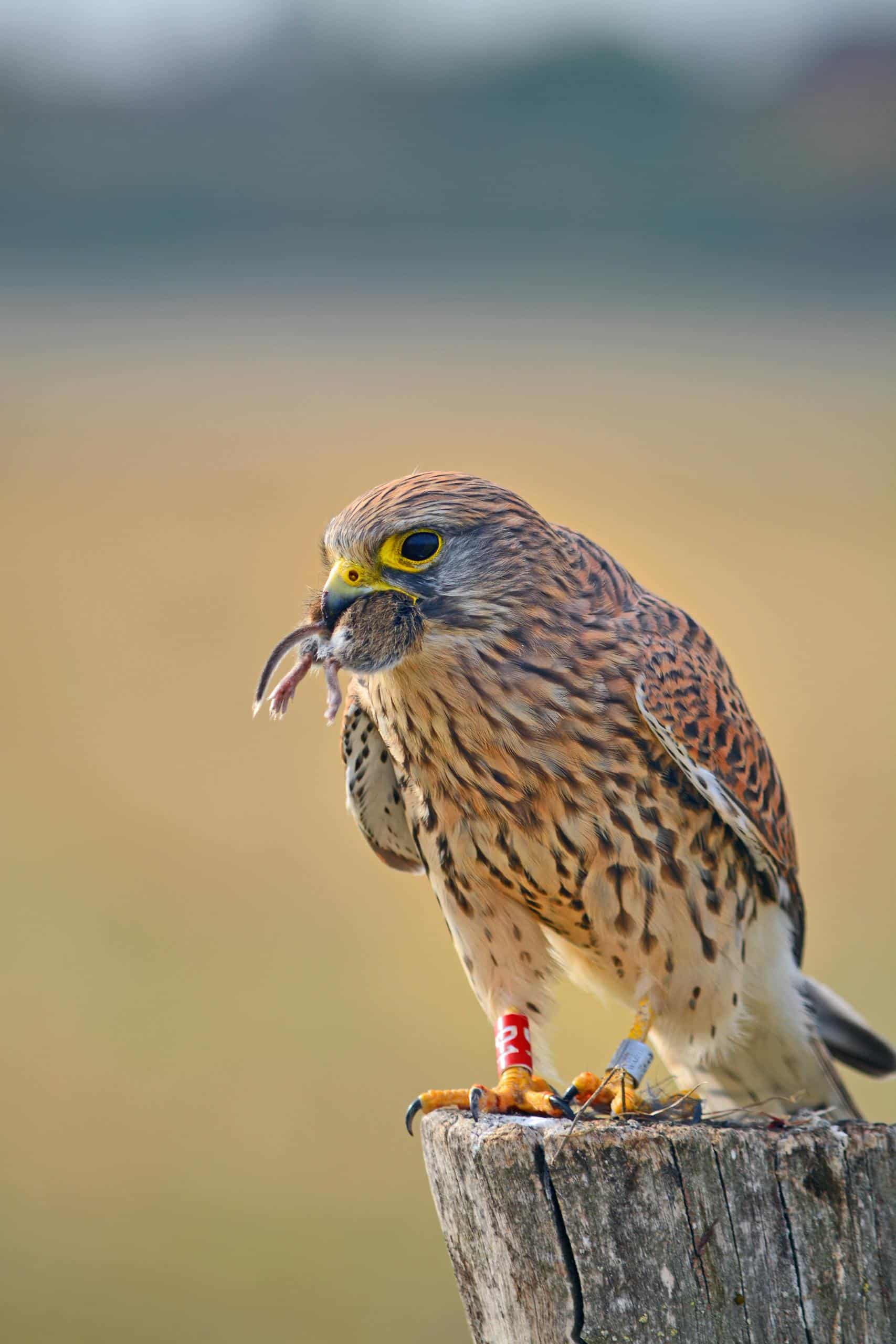
How You Can Help Kestrels in Your Garden
Last week, I attended a virtual information session for the Friends of Hopewell Valley Open Spaces and the Wild Bird Research Group about their collaborative “Hatch A Hundred” program.
The mission? To help restore the American kestrel, North America’s smallest falcon, in central New Jersey.
I left feeling inspired—and hopeful that even small actions in our own backyards can make a real difference for local wildlife.
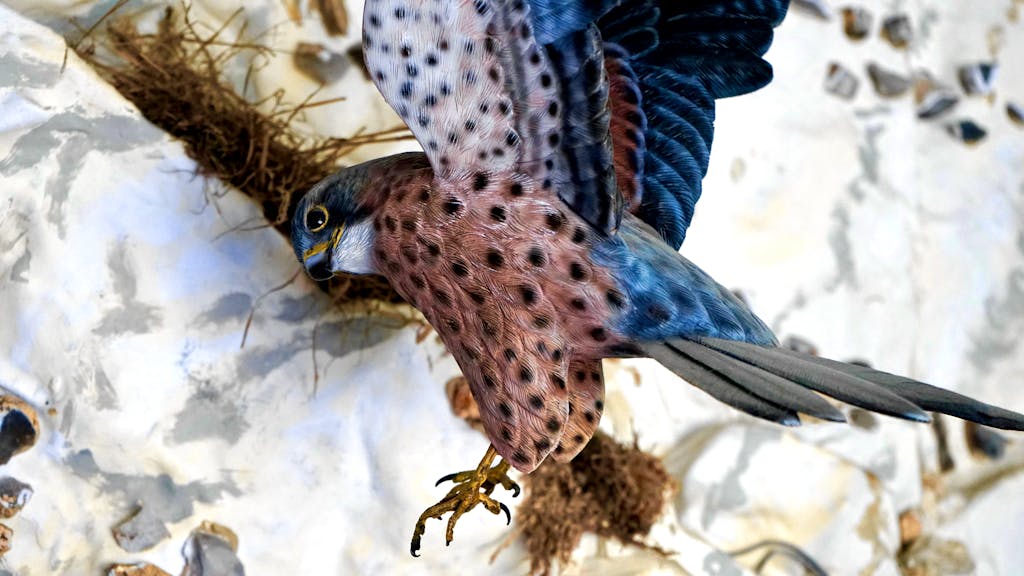
Meet the Kestrel
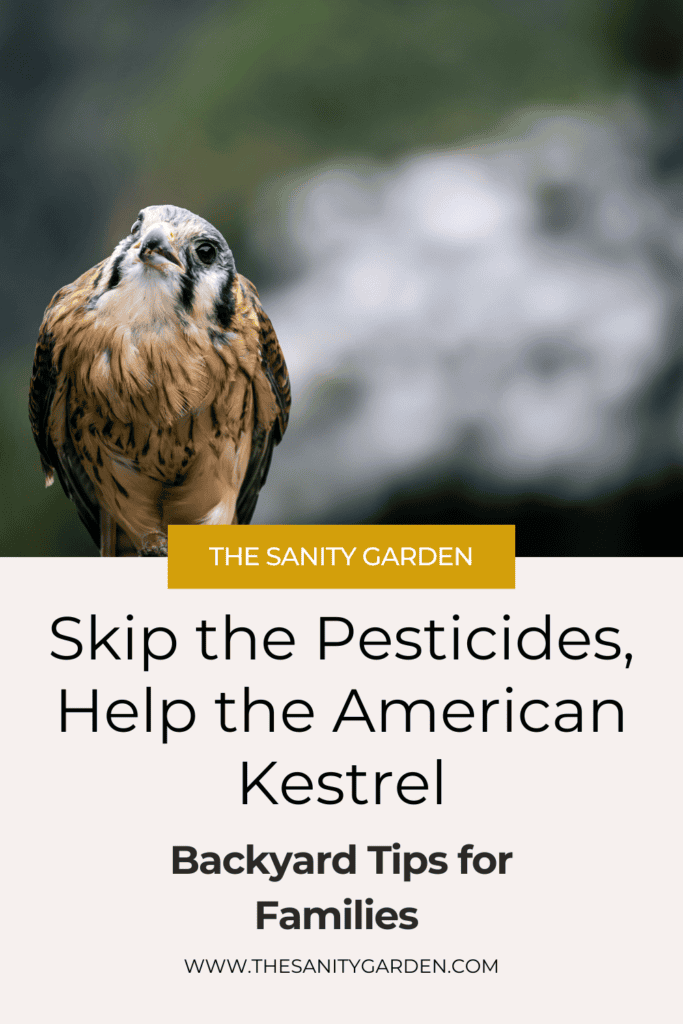
Kestrels are tiny compared to the falcons we usually imagine—roughly the size of a mourning dove—but they pack some fascinating adaptations. Their long wings bend at the wrist for agile flight, and they have a unique “tomial tooth” on their beak, which they use to sever the vertebrae of prey instead of relying solely on their talons. These little hunters thrive in open spaces like grasslands, meadows, and hayfields—habitats that are unfortunately in decline.
They’re cavity nesters, often taking over abandoned woodpecker holes or other small nooks. And while kestrels are widely distributed across North America, their populations are dropping for a few key reasons:
- Habitat loss: Old farms and meadows are becoming forests or shrubland.
- Nest site removal: Dead trees, which kestrels need for nesting, are often taken down.
- Competition: Starlings and house finches compete for the same cavities.
How the Hatch A Hundred Program Works
The program, based in central NJ, makes it easy to get involved, whether you’re a seasoned gardener or just starting to notice the wildlife around your home. Volunteers can:
- Build a nest box at a workshop.
- Host a nest box on your property (if it meets the criteria).
- Monitor a box throughout the season, keeping track of occupants and success rates.
- Adopt a box and increase program success through sponsorship
It’s a simple framework, but it will have a big impact in Mercer, Hunterdon, and Somerset counties, prime habitat for these falcons.
Bringing Kestrels into Your Garden
Even if you don’t adopt a nest box, your garden can still help. Here are a few easy ways to support American kestrels and other native birds:
- Create open spaces: Leave a corner of your yard as a meadow with native grasses and wildflowers.
- Leave dead trees if safe: They provide critical nesting and hunting perches.
- Encourage native plants: These attract insects and small animals that kestrels feed on.
- Reduce pesticide use: Healthy prey populations mean happy kestrels.
Think of it as gardening with a little extra purpose: cultivating plants while also creating habitat for wildlife. It’s one more way to make your backyard a little oasis in a busy world.
Small Actions, Big Impact
The takeaway from the session was clear: you don’t need acres of land to make a difference. Even starting with one nest box, or simply leaving a patch of open meadow, contributes to the survival of a species and the restoration of local ecosystems.
If you’d like to learn more or get involved, check out the Hatch A Hundred program. And while you’re at it, notice the little falcons and other wildlife that might already be calling your garden home—you might be surprised how much life is waiting just outside your door.
If you want to create sustainable, low-stress habitat for the American Kestrel and other wild birds but you don’t know where to start, then I have something for you!
I created The Sanity Garden Get Started Guide to help busy families move forward without overthinking — one small, doable step at a time.
👉 Download the free starter plan and start where you are.
Follow FoHVOS & Wild Bird Research Group – engage with #hatchahundred content and spread awareness!
-Kristen
PS – Pin the image below to your favorite native garden inspo board for easy reference later on!
One Comment