Plan Your 2026 Native Garden This Winter (A Low-Stress, Family-Friendly Approach)
Summary
A calm, step-by-step guide to planning a native garden in winter—designed for busy families who want less stress and better results.
I’m settled in at my desk with a hot mug of tea, a muffin, and a notebook. I just lit a candle, and I even have a flannel blanket on my lap, too. I’m about to get started on the coziest winter activity I can imagine.
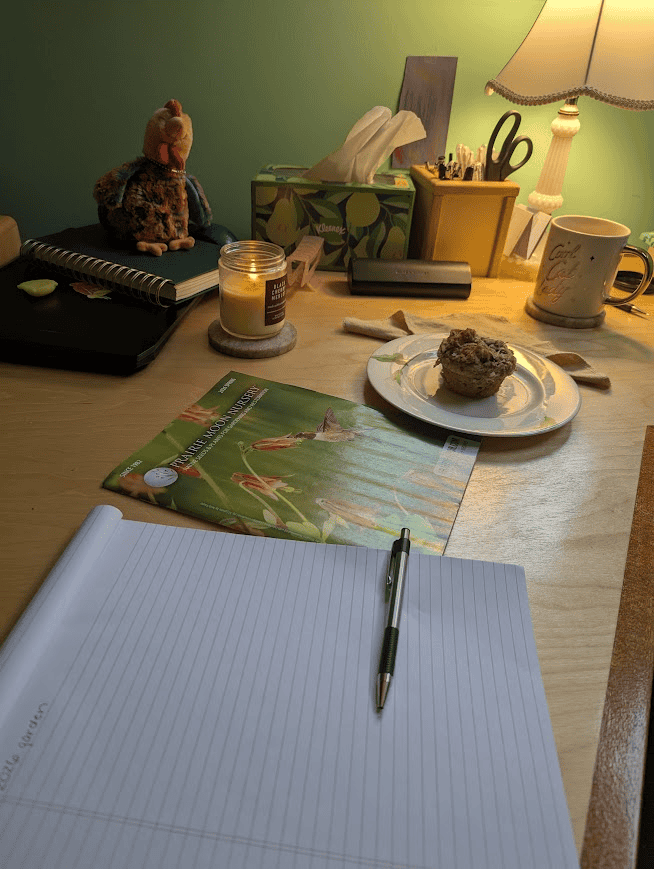
Am I about to journal? Make a vision board? Great guesses, but nope.
I’m gearing up to plan my 2026 native garden!
If you’re a busy parent craving a calmer, more intentional garden this year, this planning process is for you.
Did you ever imagine that garden planning could look and feel this much like sumptuous self-care? It definitely can, with a little bit of intentionality. Let the planning process be as luxurious as you want! In my case, that translates into carving out some planning time while my daughter is at preschool so that I can focus and dream big.
That intentionality also happens to be the first step of native garden planning.
Below, I’ll walk you through my 4-step, low-stress approach to planning a native garden — with clear action items and simple, optional ways to include your school-aged children.
Table of Contents
Why Planning Your Native Garden Matters
As I’m sitting down to plan my native garden, I’ve gotta ask myself: “Why am I doing this? What benefit do I hope to derive from this project? And what benefit(s) am I trying to transmit to the wild and human communities around me?”
Nailing down the answers to these questions will help me decide which plants I should choose and help me envision how I want to use the space around my house. It will also give me a compelling force of motivation to fall back on when executing the plan becomes dirty, sweaty, and tiring later on.
(Just keeping it real about garden projects – it’s hard work! That’s why your garden planning session now should be as comfy as can be.)
I’m creating my own native garden for a few reasons:
- To create a bustling pollinator habitat in my neighborhood (and maybe certify with the NWF)
- To commit to a hobby that supports my physical and mental health and gets me outdoors
- To teach my daughter gardening skills and values like patience, stewardship, and compassion
- To inspire friends, family, readers, and neighbors to plant native gardens
- To leave my small corner of the Earth healthier for future generations
That’s a lot, so I distill my “why” into one intentional statement:
I’m building a native garden to enjoy quality time outdoors with my family and to improve the health of my local ecosystem.
If you’re juggling kids, schedules, and limited energy, having a clear “why” can be the difference between a garden that adds stress and one that supports your family.
This guiding goal helps me make family-friendly gardening choices and prevents overwhelm later. When I feel tempted to do all the things, I can come back to this simple North Star and course correct.
In short: knowing your “why” keeps your garden from becoming another source of stress.
Step 1: Freewrite/brain dump about all of the reasons you want to start a native garden. Then distill your desires into one intentional statement. This will become the North Star of your garden project this year.
How to involve your kids:
Ask your kiddos about which kinds of pollinators they want to invite to the yard. This can help shape your why, for example, “We are building a native pollinator garden to attract monarch butterflies” or “We are planting spring ephemerals to help the native bee population.”
Where to Plant Your Native Garden
So now that I’m clear about why I’m setting aside some of my precious time for gardening this year, I get to pick where I’d like this garden to go! And to get my thoughts together, I’m going to make a crude sketch.
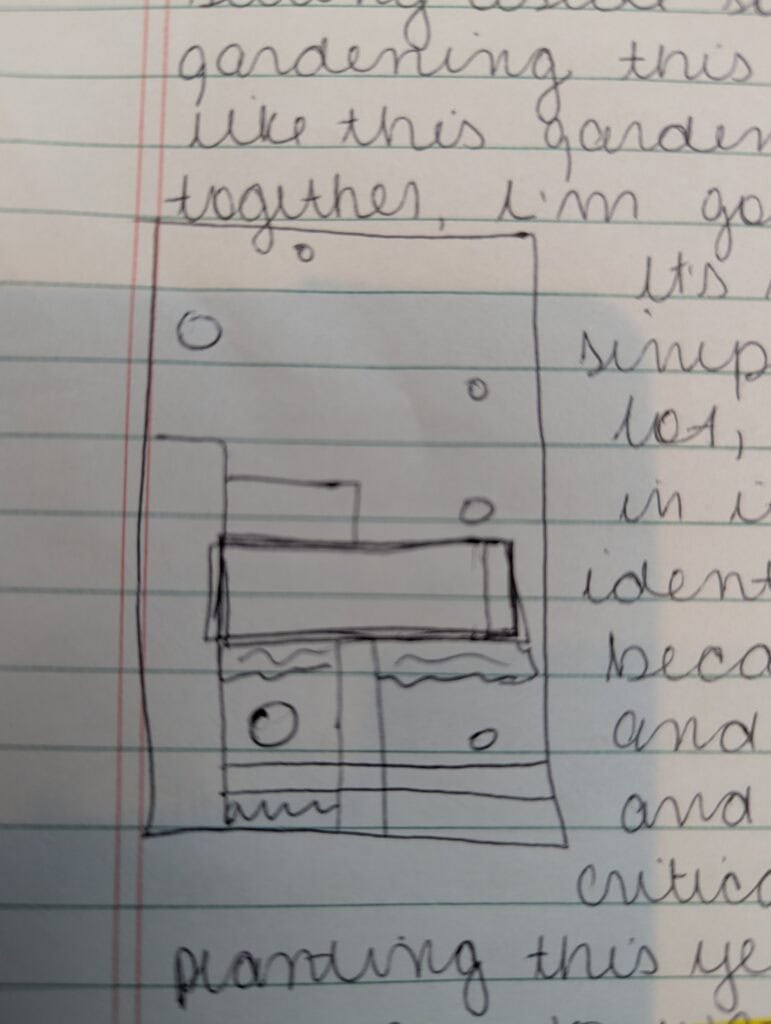
It’s not to scale. It’s not fancy. It’s simple. I’ve drawn the shape of my lot, plopped my house and deck down in it, and added some markings to identify where I can’t plant because of the driveway, walkways and existing trees and plants. (It might not mean anything to anyone else who looks at it, but that’s alright!)
And now I’m looking at the drawing to evaluate the best spot for planting this year. I’m considering:
- Easy access to water
- Proximity to tools and supplies
- Areas unlikely to be trampled by my three-year-old
- Alignment with my guiding goal (for me, that means placing gardens near our outdoor gathering spaces)
In short: This step helps you avoid overplanting, overspending, and burnout.
Step 2: Sketch your lot, evaluate areas for accessibility/feasibility and intentional alignment, then circle your spot on the sketch. Guesstimate how large of an area you wish to cover.
If you’re new to this, start small. Or go crazy! Just be realistic about your bandwidth.
Optional: Take measurements of the site you intend to plant in and/or stake it out. Claim that spot!
How to involve your kids:
Let your kids pick a spot for the garden, or let them vote between two spots that you’ve predetermined.
What to Plant: Choosing Native Plants Without Overwhelm
With a location chosen, you can now figure out what will thrive there.
This is where research helps — but don’t let it turn into overwhelm. Choosing the “wrong” plant is a gardener’s rite of passage, not a failure. Plants are forgiving, and learning happens through trial and error.
It’s okay to pick plants simply because you love how they look — especially if that joy supports your guiding goal.
During my planning session, I flip through the Prairie Moon Nursery spring 2026 catalog and flag what catches my eye. Since I’m creating pocket gardens around saplings in a sunny, dry front yard, I’m focusing on pollinator-friendly plants that can handle tough conditions. I’m especially drawn to their Easy Street Patch Kit — a simple, curated option that feels manageable for family life.
If you’re overwhelmed by plant choices, starting with a curated kit or simple planting plan can save money and decision fatigue – especially for busy families.
In short: simple, appropriate plant choices set you up for long-term success.
Step 3: Research plants suited to your site. Options include:
- Browsing online or physical catalogs
- Visiting local native nurseries
- Asking garden center staff for recommendations
- Requesting a native garden consult
How to involve your kids:
Take a family trip to the garden center and let your kids pick one or two plants for the garden. Try to honor their choice — even if it’s not perfect. It builds agency and creates learning opportunities down the line.
When to Prep, Plant, and Maintain Your Native Garden
Successful gardens rely on timing that fits real life.
During planning, I think about whether I want to start plants from seed (more cost-effective) or buy seedlings (less upfront work). If starting from seed, I decide whether to winter sow, direct sow, or wait until spring.
Budget, time, experience, and plant availability all factor into this choice. For example, if native seedlings aren’t available locally, seed starting may be your best option.
Method matters because prep work takes time — whether you’re removing turf, solarizing soil, or building beds.
In short: the goal isn’t to do everything — it’s to choose a timeline that supports your family’s rhythm.
Step 4: List your garden tasks and schedule 2–3 realistic days for research, prep, and planting.
How to involve your kids
Schedule a “Family Planting Day” and hype it up. Assign everyone a job and celebrate afterward with a picnic or pizza in the yard. Invite neighbors to join for extra fun and community connection.
What Success Looks Like in a Native Garden
After planning, I know why I’m gardening, where plants will go, what I’m planting, and when the work will happen. Once those pieces are in place, maintenance becomes far less overwhelming.
So how will I know if this garden is a success?
Healthy plants buzzing with pollinators will be one sign. But just as important is returning to my guiding goal. Did this project bring more family connection, calm, and satisfaction?
I’m optimistic — and I can’t wait to hear about your own native gardening plans.
If you’d like help simplifying native gardening for real family life, I’ll be sharing more low-stress, sanity-saving tips here throughout the season.
I created The Sanity Garden Get Started Guide to help busy families move forward without overthinking — one small, doable step at a time.
👉 Download the free starter plan and start where you are.
May your families and gardens always thrive,
– Kristen




3 Comments