What a Regenerative Agriculture Film Taught Me About Small Gardens and Big Impact
Summary
Inspired by the documentary Roots So Deep, this post shows how small, family-friendly native gardens can restore wildlife, improve soil health, save money, and reduce stress — proving that even a tiny yard can make a big impact.
Table of Contents
You Don’t Need a Huge Landscape to Matter
I recently attended a screening of Roots So Deep, an inspiring docu-series about a regenerative farming practice called AMP grazing, and its potential for global climate change mitigation.
I want to distill my biggest takeaways from the screening for you and help translate big ideas into family-scale actions for your native garden.
The film follows farmers and scientists as they explore how adaptive multi-paddock grazing, or AMP, can rebuild soil health and ecosystem resilience by working with nature instead of against it.
The two thoughts that kept coming back to me as the end credits rolled were that:
- If a farmer can restore 90+ acres of depleted land into a healthy, thriving prairie again, then you can restore your lawn.
- And, if they can rethink everything they were taught about how land “should” be managed, so can you.
You might be thinking, “I don’t have 90 acres – I don’t even have an acre! – and I don’t graze cattle. How can this matter to me?”
Fair point! Looking out at your small lot and wondering how it fits into the big picture can leave you feeling powerless.
And yet, small spaces still matter. The scale of your native gardening project doesn’t negate the impact it will have. Large changes in the way our culture regards land management and ecosystem restoration will start with small mindset shifts in ourselves, and we can create a ripple of change within our communities.
You don’t need to “do it all” to do something meaningful.
Mindset Shifts Matter More Than Yard Size
Real talk: cultural change is the hardest part of native gardening – not logistics.
This was the case with farming in Roots So Deep, too. Most conventional farmers who were presented with exciting data about the health and cost-saving benefits of AMP grazing agreed that the method is a no-brainer.
But actually changing their methods – and, in some cases, flipping generations of family farming knowledge on its head – triggered some resistance and anxiety.
The deepest emotional impact of the film, though, came as we witnessed these farmers embracing their curiosity, making new connections in their community, and questioning their unquestioned beliefs.
Those tremendous mindset shifts translate into good news for you, your family, and your community.
If conventional farmers can rethink:
- how they graze
- how they manage land
- and how they define success
Then homeowners can rethink lawns, too.
We’ve been so conditioned to regard a lawn as the only option for our property that it’s hard to conceptualize suburbs without lawns. Rethinking suburban property ideals doesn’t require perfection, just a willingness to shift your mindset.
Change is uncomfortable – that’s normal. You might be nervous that your native flower-filled lawn will stick out like a sore thumb on your street and that you will become the pariah of the block.
But what if your example becomes someone else’s permission to try something new? You never know, and that’s a risk worth normalizing.
(And when you think about it, are flowers really that crazy? Or are the people “against” flowers the crazy ones? Hmm…)
The Wildlife You Don’t Even Know You’re Missing
Quail are mentioned a lot in Roots So Deep. Specifically, the Bobwhite quail. Farmers in the documentary, who grew up appreciating the quail as part of their hunting culture and hearing its reliable call across their pastures, are saddened to note the quail’s declining presence on their land in recent years.
But as the farmers adopt regenerative farming practices, the quail start to return. In fact, scientists on the Roots So Deep team document a significantly higher quantity and diversity of bird, insect, and soil microbe species on AMP farms than on the conventionally-farmed ones.
The takeaway? Mother nature does more of the work when you let her.
The same principle applies at home. Native gardens restore invisible relationships between plants, pollinators, and the soil – relationships that have been missing, not because nature failed, but because we disrupted them. When those relationships come back, so do the benefits: fewer pest issues, more wildlife, and a garden that feels alive instead of demanding.
As native habitat returns, so does the wildlife many of us don’t even realize we’re missing. Dragonflies skim the air, quietly managing mosquito populations. Birds return to forage, nest, and raise their young. Beneficial insects take up residence in the soil and foliage, doing the invisible work of balance that chemicals try – and fail – to replicate.
When these species are present, gardens don’t need as much intervention. Pests are kept in check naturally. The need for pesticides and insecticides drops away. The garden becomes less about constant correction and more about observation.
There’s also a quieter benefit that’s harder to measure but just as important: joy. The joy of noticing life return. The joy of pausing to watch a bird dart through your yard or a dragonfly hover nearby. Small, daily moments of wonder that remind you your garden is part of something bigger – and alive.
Let Your Garden Do the Work
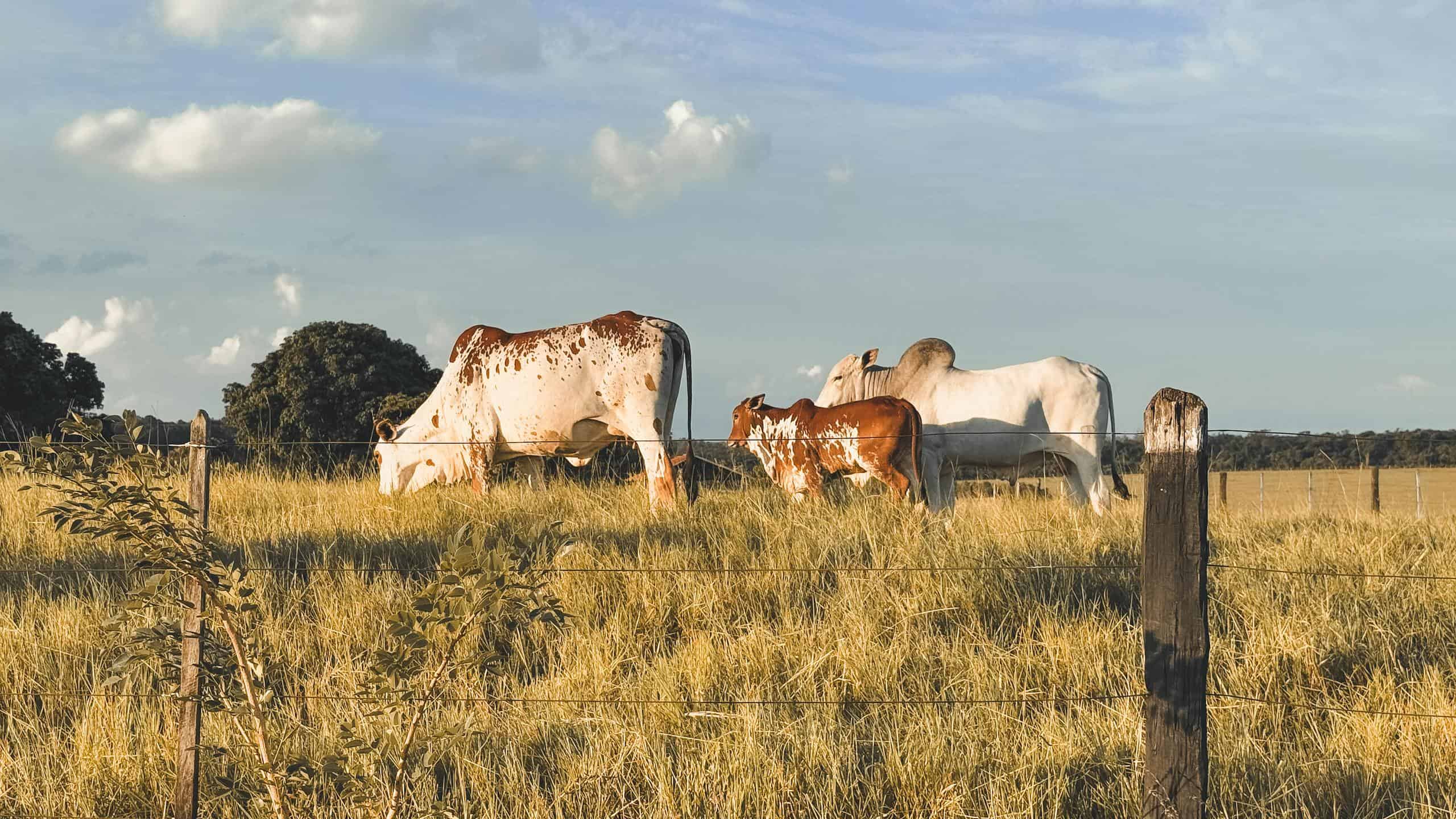
The AMP farms in Roots So Deep stood out not only for their courageous methodology, but also for their beauty. With fields of taller, more diverse flowering plants and distinct grasses, the AMP farms had a lusher, livelier vibe. (The same was true of their cows, too!)
It turns out that the aesthetics weren’t just nice to look at – they were functional, too.
AMP farming reduced rainwater runoff and soil erosion, while also increasing soil fertility. For farmers, this functionality translated into lower expenses for watering and amending their soil, a huge benefit when every bit of margin is make or break for a farmer’s livelihood.
On my street in New Jersey, basements often flood, rain water pools around storm drains, and yards turn into muck that only a pig could be happy in. The homes here have typical lawns and non-permeable driveways, an unfortunate combo for water management in our neighborhood.
If we all had native gardens, though, we’d:
- reduce runoff
- prevent erosion
- improve water quality
- and increase soil fertility.
This would potentially reduce basement and street flooding, improve the quality of our drinking water, alleviate stressed landscapes, mitigate climate change, and keep the yards from becoming off-limits mudscapes.
A healthy garden supports the systems around it, including your household.
A Quieter Way to Save Money
For some farmers in Roots So Deep, saving quail was an intriguing side effect of regenerative farming practices, but it wasn’t enough to help shift their mindset and make them commit to new methods.
Saving money, though? That was the key piece of research that made short work of convincing farmers to make big changes.
AMP grazing made the farmers less reliant on fertilizer, watering, and pesticides, and alleviated wear and tear on farm equipment, which kept more money in their pockets. This increased the appeal of regenerative farming to folks who hadn’t yet implemented it.
They came to realize that regenerative practices are economical, not indulgent.
Similarly, your small-scale native gardening can reflect cost savings over time.
Your native garden will require:
- no fertilizer
- less water
- no pesticides or insecticides
- no mowing equipment, fuel, or maintenance
Native gardens trade recurring costs for long-term resilience. And you’ll spend less time managing your property with noisy, smelly, aggressive lawn equipment and more time simply enjoying it.
Stewardship, Legacy, and Self-Reliance
At its core, native gardening isn’t a trend or a performance. It’s a set of values made visible. It’s about choosing to care for a piece of land in a way that’s thoughtful, durable, and kind.
Stewardship, to me, simply means leaving a place better than you found it. Native gardening offers a way to do that without constant inputs or perfection – by trusting plants and systems that already know how to thrive where you live.
There’s also a quiet sense of legacy in this work. For kids, a native garden can become a place of curiosity and memory: noticing birds, watching insects, learning patience, and understanding that care takes time. These lessons don’t come from lectures. They come from living alongside a landscape that’s allowed to function as it should.
Native gardening is also a softer, gentler way of living. It’s a step away from extractive systems that demand constant mowing, spraying, fertilizing, and fuel. In their place, it offers self-reliance: fewer inputs, less intervention, and more trust in natural systems to do what they’ve always done.
Roots So Deep makes a compelling case that regeneration doesn’t come from force or constant intervention, but from stepping back and letting natural systems reestablish themselves over time.
Imagine waking up on a summer Saturday morning to the sound of crickets and robins instead of leaf blowers and lawn mowers. That quiet is part of the legacy, too.
Start Where You Are
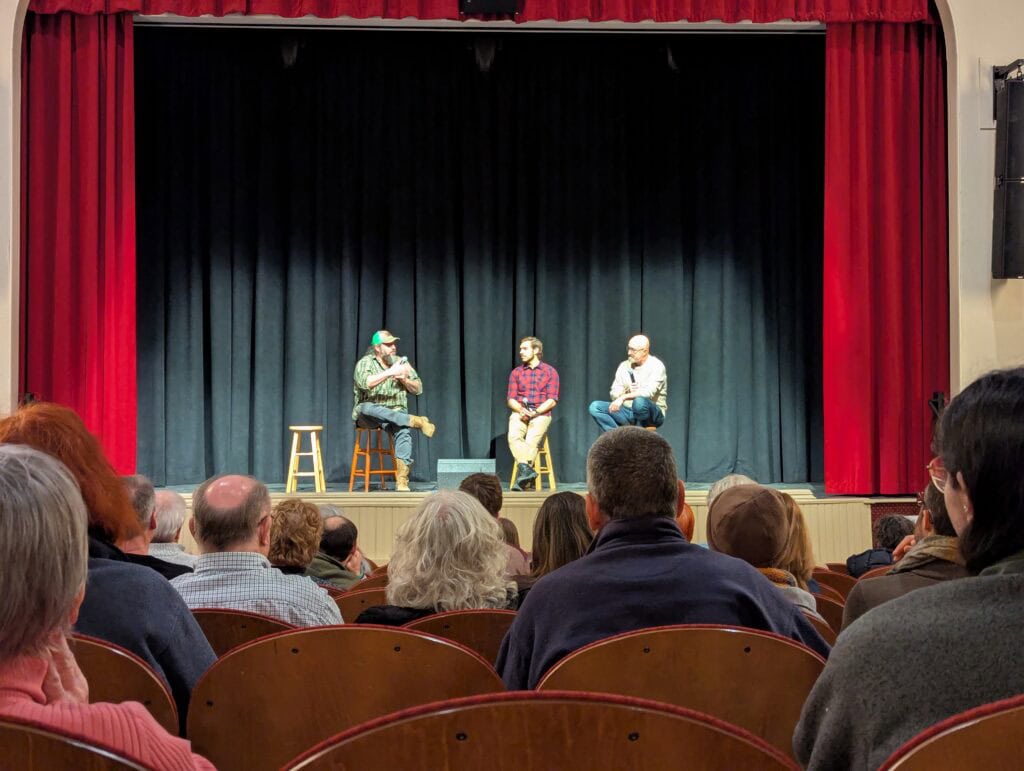
During a Q&A session after the Roots So Deep screening, Mike McGraw, one of the contributing scientists featured in the film, spoke about entry points into conservation. He highlighted that for some farmers in the film, their love of birds compelled them, while others’ interest in saving money helped mobilize them. And for others still, creating something sustainable for future generations of family was their entry point into the world of conservation.
That left me thinking: whatever your reason is for getting into native gardening, you can’t go wrong. Every door is open to you on your journey, and The Sanity Garden is here to help.
Small, thoughtful choices add up – all you need to do is begin.
I created The Sanity Garden Get Started Guide to help busy families move forward without overthinking — one small, doable step at a time.
👉 Download the free starter plan and start where you are.
Rent and stream Roots So Deep here.
In wild solidarity,
Kristen




4 Comments