
Why Native Gardening Matters — Even When You’re Tired, Overwhelmed, and Hesitant
“I don’t have time to plan, prep, or maintain a native garden.” “I don’t have the mental bandwidth to worry about one more thing.” “I don’t have money to do this right.” “I’m not an expert.”
Does that sound familiar? Because my brain sounded something like this, too. I was hesitant to get started with native gardening, and I’m guessing that you might have some hesitation, too. When starting a native garden feels hard, it’s often because the resistance feels louder than the desire.
I’m not going to shame and guilt-trip you into starting a native garden, that’s not my style. But maybe learning about my experience can help you understand why native gardening matters, and help you overcome any lingering resistance.
Table of Contents
Gardening in “Survival Mode”: Overcoming the Perfection Trap
Here’s the truth about my native garden: I really dragged my feet when it came to establishing it. I had planted a successful garden before—a beautiful mix of vegetables, fruit, and flowering natives. That – along with all of the benefits of native gardening – should have been my buy-in, right there. But that was before we had our kid, when my husband and I both had full-time incomes.
Then we moved homes, I got pregnant, and I entered the survival mode of early motherhood. I didn’t give a thought to my old garden, or even why native gardening matters. My family had one full-time income, our daughter’s childcare expenses were through the roof… and I felt tired. I was paralyzed by all my what-ifs and excuses – classic native gardening overwhelm, in hindsight.
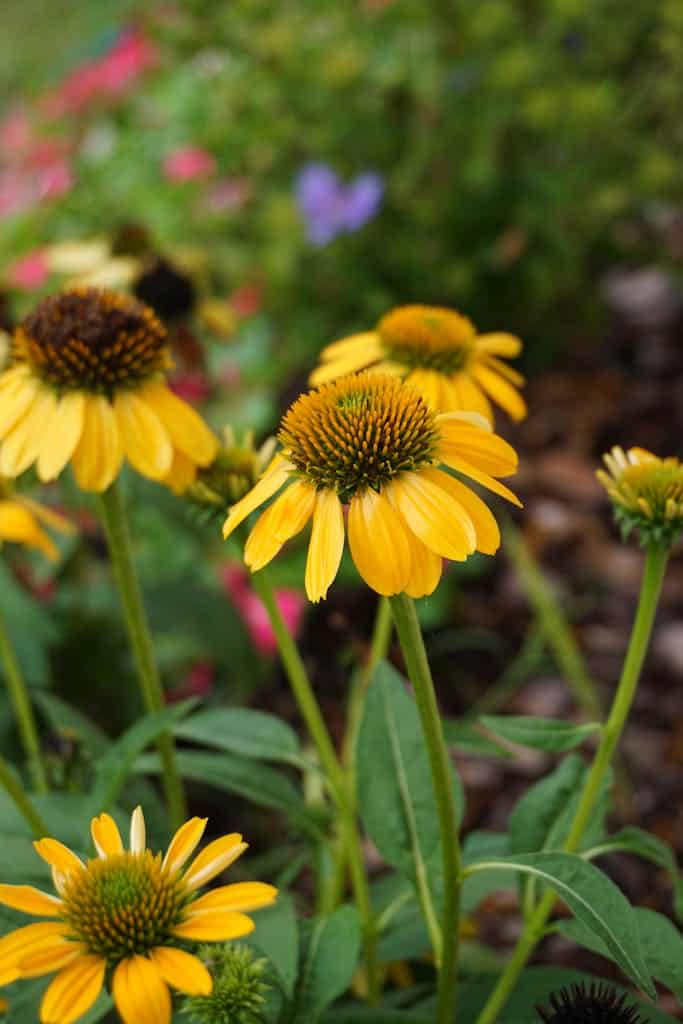
Beyond the Monolawn: Why Indoor Conservation Isn’t Enough
Meanwhile, I had been making lifestyle choices that supported my environmental values for a long time: a gas efficient car, a mostly vegetarian diet, safer cleaning products, cloth napkins and diapers. These were all quiet, invisible actions I was taking.
The actual environment outside my front door, though, wasn’t very inspiring or healthy. My yard was grass, just like everyone else’s. To the outside observer, it didn’t look like an environmental conservationist was living among them or that I had any clue about why native gardening matters.
Slowly at first, and then with increasing internal urgency, it wasn’t okay anymore that my yard was a lame, lifeless monolawn.
Conserving water and electricity in my home were efforts to protect the environment and preserve precious resources. But, hold up: what if there was no environment left to protect? What if everything, everywhere, was just asphalt and turf grass? If that was the case, then what were all my lifestyle adjustments working to preserve? Why native gardening matters suddenly felt much more urgent.
I felt like I had a responsibility to model stewardship and compassion for my daughter and our community. Once you know better, you have to do better. (Or you’ll fall into the gap between those two poles and be eaten alive by guilt piranhas. At least in my experience. 😅)
On a whim, I applied to a stewardship internship with a local conservancy… and I went from feeling powerless in the face of climate change and environmental degradation to feeling like I had vital skills to contribute.
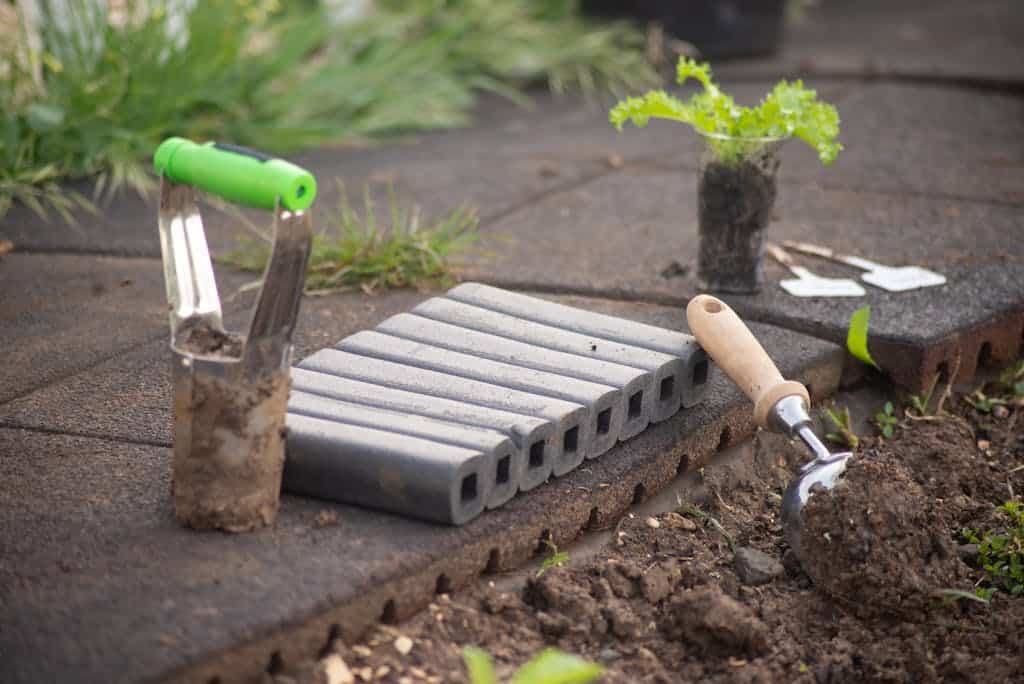
The 3 Common Gardening Traps (and Why to Avoid Them)
When you’re busy—whether it’s with your young family, your career, or your friends—it can seem like there are only 3 sad options for a garden:
- No garden: You might acknowledge your desire for a garden yet say, “That’s not for me right now.” While that might reflect discernment… it can potentially come from a place of resignation, which can lead to resentment, bitterness, or heartache. Overcoming resistance to native gardening starts with noticing that difference.
- Pay landscapers: This option is appealing if you have lots of money—it’s expensive. Plus, a landscaping company might not prioritize native plants… and instead rely on destructive invasives like barberry and butterfly bush.
- A stressful garden: You can resolve to make your own garden, but you might wing it haphazardly and end up picking random plants that don’t love your yard… and you might be constantly rushing around outside and second-guessing yourself, which steals away precious mental & physical bandwidth from the rest of your life.
Umm… no thank you to all of these!

The Sanity Garden: A Low-Maintenance Native Landscape
Through trial and error, I discovered how to enjoy a successful, low-stress native garden. I didn’t have to compromise on my dreams, and I still got to keep my sanity.
If you’ve been feeling locked out of gardening, it may be because you’re getting in your own way just like I was. Let’s poke holes in your mental roadblocks so you can understand why native gardening matters, and get outside without the agony of analysis paralysis.
“I don’t have time to plan, prep, or maintain a native garden.”
Initially, yes, your garden will take some time to set up and plan. But you get to choose how small and manageable you want to start, especially when starting a native garden feels hard. Start with just one garden bed, a corner pocket garden, or even a container. When you have a simple, low-stress rhythm established for this one spot, you can evaluate whether you’d like to add more. The right native plants quietly save you time and energy, and eventually, your garden will feel like a seamless part of your routine.
“I don’t have enough mental bandwidth for a garden project.”
This season of our lives comes with an overwhelming mental load. If it feels like adding one more thing will make you lose your mind, remember that The Sanity Garden is about flipping the usual advice to center your sanity. Native plants are your allies; they require less micromanagement than non-natives and can actually reduce native gardening overwhelm over time. We want to alleviate our mental loads, not add to them, by making simple plant choices.
“I don’t have the money to do this right.”
Your budget is tight, my budget is tight — everyone I know is in Struggle City these days. The good news is that native gardening doesn’t require a big upfront investment. Starting small means you can spread costs out over time, skip fertilizers and pesticides altogether, and reduce water usage. In the long run, native gardens often cost less to maintain than conventional lawns and ornamental beds. This is a key reason why native gardening matters.
(Sanity Hint: Cut gardening costs by sowing seeds in winter.)
“My garden isn’t going to look perfect.”
It probably won’t — and that’s okay. Native gardens move through awkward phases, especially early on. Plants take time to establish, and ecosystems don’t snap into place overnight. Perfection isn’t the reason why native gardening matters: a garden that’s alive, changing, and buzzing with activity is doing exactly what it’s supposed to do, even if it doesn’t look magazine-ready.
“I’m not sure if this is my forever home.”
This excuse held me back for too long! You don’t need a forever home to be a good steward of the land you’re on right now. Even temporary native plantings can support pollinators, improve soil health, and reduce the need for intensive maintenance while you live there. Make a native container garden and take it with you when you move.
“I’m not an expert.”
Neither was I when I started! Native gardening doesn’t require mastery — it requires curiosity, observation, and a willingness to learn as you go. Every gardener figures things out through trial and error. You don’t need credentials to participate in restoration or call yourself a conservationist.
“Haven’t I done enough already?”
If you’re asking this, it’s probably because you already care deeply and you’re already carrying a lot. Native gardening isn’t about doing everything or fixing the world on your own. It’s about choosing one small, tangible way to align your home with your values — without burning yourself out in the process.
“I don’t want to make waves.”
You don’t have to. Native gardens can be quiet, subtle, and neighbor-friendly. A single pocket garden, a tidy edge, or a thoughtfully chosen plant can gently shift a landscape without confrontation. Meaningful change doesn’t always announce itself loudly.
Start Where You Are
If you’ve been waiting for the “right” time, the “right” budget, or the “right” level of expertise, consider this your permission slip. Why native gardening matters isn’t about doing it all or getting it perfect — it’s about starting where you are, with what you have, and letting go of the pressure to do more than your life can hold.
Next Steps
If any part of this resonated — the hesitation, the values, the desire to do something without burning out — you don’t need to keep carrying it around in your head.
The simplest next step is to focus on one small, manageable beginning. I’ve mapped that out for you in my post on where to start with native gardening, so you don’t have to guess or overthink your way forward.
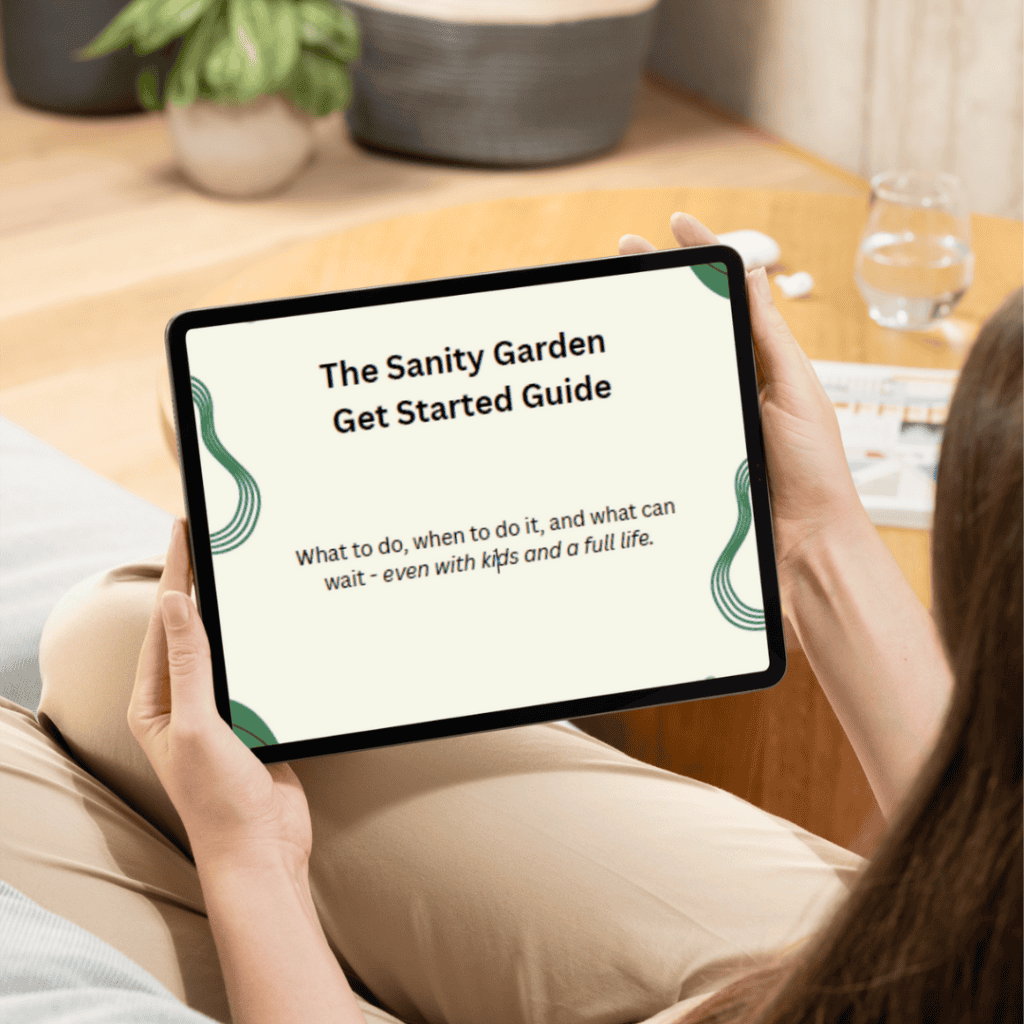
And if you want even more clarity — especially if you’re short on time and mental bandwidth — I created The Sanity Garden Get Started Guide to walk you through exactly what to do next. It’s a low-stress, family-friendly roadmap designed to help you start a small native garden in any season, without perfectionism, pressure, or overwhelm.
👉 Get your free guide here.
You don’t have to do everything.
You don’t have to get it right.
You just have to begin — in a way that fits your real life.
-Kristen
PS – Pin the image below to your native garden inspo board so you can reference it again later!



4 Comments